
Transport Fever 3 Beginner Guide: Your First Hours Explained
New to Transport Fever 3? Which mode to start with, how the campaign teaches the ropes, what era progression means, and the principles behind a profitable line.
FAQ
Should beginners start with the campaign or tycoon mode?
How long is the Transport Fever 3 campaign?
Do vehicles unlock over time?
Prefer video? Hushey's complete beginner walkthrough covers the whole first hour:

2026 ULTIMATE Complete Beginners Guide Transport Fever 3
Which mode should you start with?
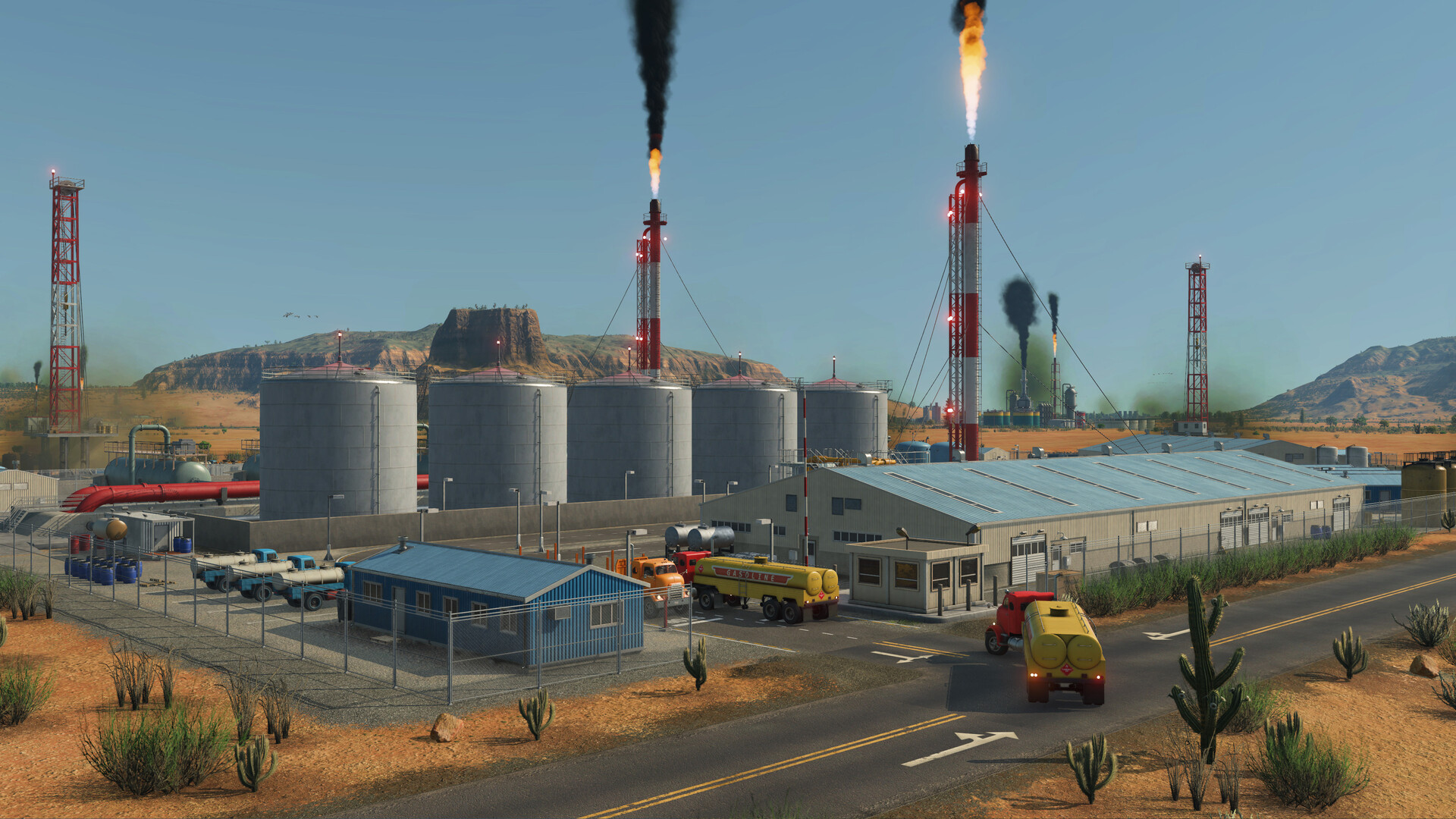
Urban public transport in action — trams and buses moving through city traffic. City passenger lines are where most beginners earn their first steady income. Screenshot: Urban Games, via the official Steam store page.
Campaign — and that is not a disclaimer, it is the design. Transport Fever 3's eight-mission campaign is built as a teaching progression: early missions introduce lines and stations, later ones layer industries, air routes, and economics on top. Critics explicitly praised how easy the game makes onboarding "with a range of optional tutorials and an extensive story". Tycoon mode is the sandbox-shaped endgame for open empire building, and sandbox mode removes economic pressure entirely — both make more sense after the campaign teaches you the interface.
How does era progression change the game?
The game moves through historical periods, and the world evolves with them: vehicle designs, industry types, and town architecture all change as decades pass. The base game includes more than 300 vehicles spread across those eras, so a network that started with steam-era equipment will look nothing like itself a century later. Two practical consequences for beginners: early vehicles have modest capacity, so small frequent lines beat giant infrequent ones at the start — and map choices shape which industries you can chain together as eras advance.
What makes a line profitable?
Four principles that hold in every Transport Fever game, presented as genre fundamentals rather than verified specifics — this section updates as launch data gets verified in-game:
- Connect demand that already exists. A line between a town and its nearby industry will always outperform a line you wish someone needed.
- Keep vehicles moving. A stopped or empty vehicle earns nothing; frequency and short routes beat long impressive ones early on.
- Let cargo finish its journey. Freight chains pay along the whole route — raw materials to processor to town — so understanding industries and cargo types multiplies income.
- Watch the loading indicators. Stations telling you vehicles leave half-empty are telling you to adjust frequency or vehicle size.
What should your first week of play look like?
A proven on-ramp: finish the first two campaign missions without skipping tutorials, then start a tycoon map and rebuild what you learned without mission objectives guiding you. From there, expand into freight, experiment with mods once the vanilla game makes sense, and use the campaign guide when a specific mission stalls you. If you are coming from the previous game, check the TF2 vs TF3 comparison first — habits transfer, but several systems moved.
Related Articles
guides
Transport Fever 3 Campaign Guide: All Eight Missions Overview
The Transport Fever 3 campaign runs eight missions inspired by transport history. How the story mode is structured, what it teaches, and where walkthroughs land.
guides
Transport Fever 3 Industries and Cargo Types: Full Reference
Every Transport Fever 3 industry recipe and cargo type we could verify: logs to planks, oil to chemicals, plus how workforce and boosters drive output.
guides
Transport Fever 3 Map Seeds: Best Seeds and How They Work
How map seeds and map generation work in Transport Fever 3: default map settings, terrain trade-offs, and the Deluxe Edition premade Emerald Shores map.
Was this helpful?